
People First. Always.
If human dignity loses, everything loses.
The Creep of the Machine
It happens so slowly you almost don’t notice it.
In the beginning, it’s always aboutone person. It’s about the human being sitting across from you, whose story you know, whose name you can speak, whose pain or dream you can feel in the room. You stay up late, you stretch your resources thin, and you bend every rule in the book because you are looking at a soul, not a case file. You do what is right, simply because it is human.
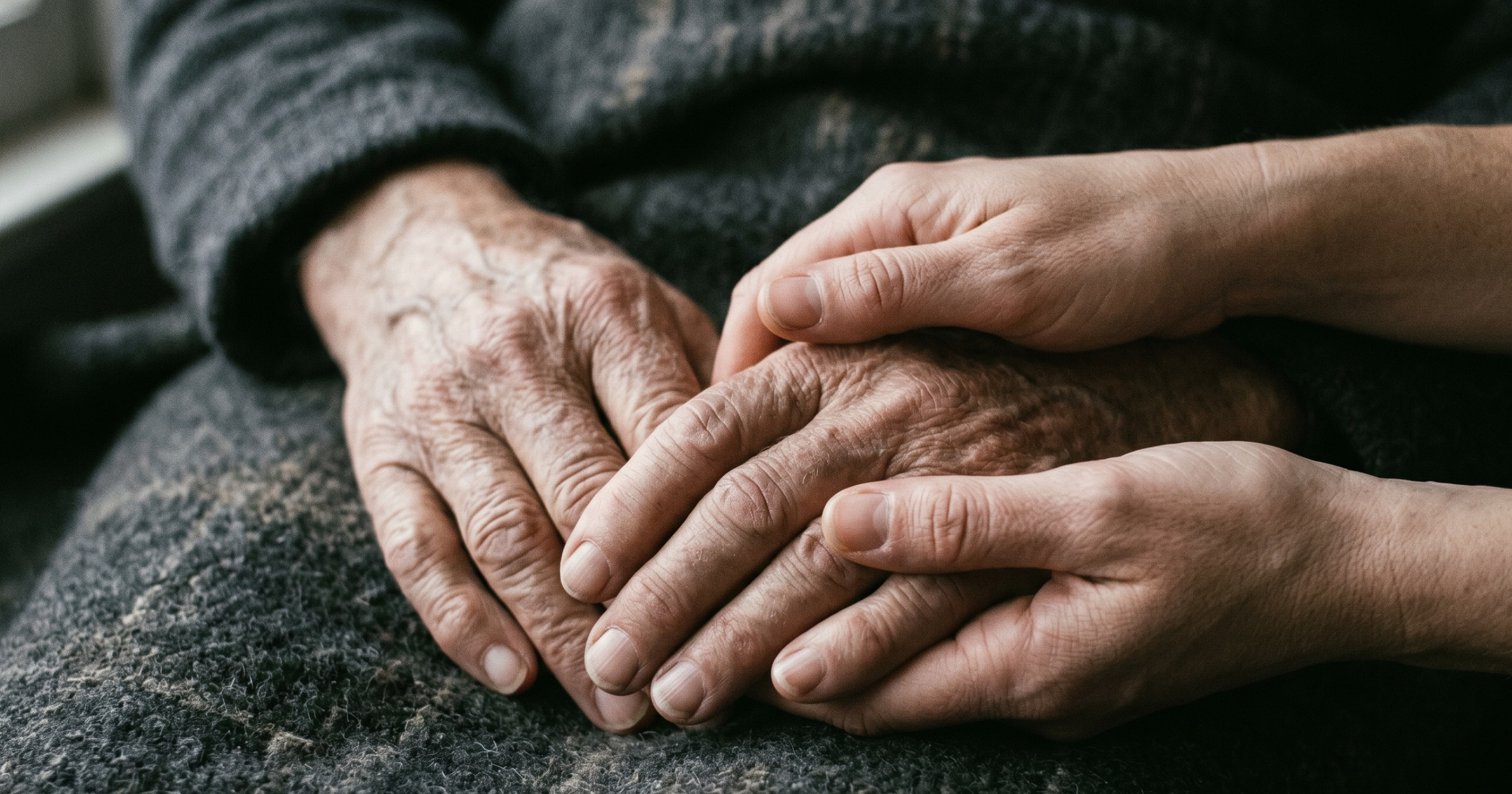
You notice the slight tremble in their hands. You see the exact moment their eyes well up with tears, and you watch the faint, fragile smile that breaks through when they feel, for the first time in a long time, truly heard. You feel their heartbreak like a physical presence in the air between you. In those quiet, unfiltered moments, there is no distance. There is just one human being standing beside another, anchored in radical empathy.
But then, things start to grow.
The project expands. The funding comes in. More people hear about your mission, and suddenly, you need a process. You need a database. You need a set of protocols to ensure everything runs smoothly.
And right there, in the quiet spaces between the spreadsheet cells, the machine begins to creep in.
Almost overnight, the conversations shift. You find yourself sitting in meetings where you aren’t talking about names anymore; you’re talking about numbers. You aren’t discussing dignity; you’re discussing optimization.
We have been conditioned by modern culture to fall into this seductive trap. We are taught that success is measured by four hollow metrics: Efficiency. Scale. Optics. Growth.
We are told that to do the most good, we have to scale the system. You genuinely believe that if you just grow larger, you will have more capacity to help. You tell yourself that building a bigger machine is the only way to rescue more people. You are told that a little bit of bureaucracy is necessary, and that sometimes, you have to sacrifice the immediate, messy needs of an individual today for the “greater good” of the organization’s expansion tomorrow.
But the brutal irony of the machine is that it eventually learns to justify itself. It starts to care more about protecting its own reputation than protecting people. It starts to prioritize smooth operations over raw human realities. It demands that the person in front of you adapt to the system, rather than the system bending to serve the person.
When you trade a name for a metric, the soul of the work begins to rot. The moment we start measuring our worth by how fast the machine runs rather than how safely a human being breathes, we haven’t built a solution. We’ve just built another system that has forgotten how to care.
Where We Draw the Line
This is the exact moment where most organizations lose their way. They let the tool become the master. They decide that the survival of the institution matters more than the sanity, the safety, or the soul of the person who walked through the door looking for help.
But at The Ethical Pathway, this is where we plant our feet. This is where we refuse to let the machine take over.
We recognize that every system, every bureaucracy, and yes—every single organization—will eventually face a choice. A moment will come when it is easier, cleaner, and cheaper to protect the process than it is to protect the human being.
When that moment arrives for us, we don’t look at a corporate flowchart or check with a legal committee to see what looks best for our optics. We lean into our first, completely non-negotiable declaration:
People First. Always.
Let us be entirely transparent about this: we do not mean this in theory. We do not mean this as a trendy tagline painted on an office wall or a piece of corporate fluff hidden deep inside a pitch deck. We mean it in practice. We mean it in the room, in the middle of a crisis, when everything is messy and the right choice costs us more time, more money, or more effort.
When a decision is unclear, we don’t ask how it affects our growth rate. We strip away the noise of the machine and we use our compass. We ask two unyielding questions:
Does this protect human dignity?
Does this preserve human agency?
If the answer is no, we simply do not proceed. It doesn’t matter how flawless the strategy looks on paper, or how much funding we might lose by walking away. If the process requires us to compromise the humanity of a single person, the process is broken, not the person.
We have built our entire foundation on an ultimate, unbreakable rule: When efficiency conflicts with dignity, dignity wins. When structure conflicts with humanity, humanity wins. Always.
There will be people in the traditional charity space who look at us and call this soft. They will say it’s naive, starry-eyed idealism that won’t work in the “real world.”
But they are wrong. This is not a weakness. It is radical, unyielding precision about what actually matters.
It takes zero courage to hide behind a policy manual and say, “I’m sorry, but our hands are tied by the system.”It takes immense, fierce strength to look at a system and say, “You will bend, because this human being will not break today.” We refuse to buy into the lie that you have to become heartless to make an impact. True efficiency isn’t how fast a machine runs; it’s how safely a human being is allowed to live.
The Danger of the “Greater Good”
It is effortless to say “people first” when the sun is shining, the budget is full, and every choice feels good. But a compass isn’t built for a clear day. It’s built for the storm. It’s built for those quiet, high-stakes moments behind closed doors—the moments where choices get messy, resources are low, and no one is watching.
Traditional organizations love to operate in these shadows. They hide behind sterile language like “operational risk,” “resource reallocation,” or “strategic compromises.”
But we need to call those compromises exactly what they are: a slow slide into cruelty.
Because this is the exact moment where we stop noticing.
Suddenly, you no longer notice the slight tremble in their hands because your eyes are locked on a compliance checklist. You miss the exact moment their eyes well up with tears because you are too busy scanning a spreadsheet for anomalies. You completely miss the faint, fragile smile that breaks through when someone feels truly heard, because you aren’t trying to hear them—you are trying to process them. The heartbreak that used to hang like a physical presence in the air is replaced by the cold, blue glow of a laptop screen. The radical empathy is gone. There is no longer one human being standing beside another. There is only a system, and a case number.
The moment people become secondary to the organization, harm becomes terrifyingly easy to ignore.
It starts with small, quiet justifications. An institution tells itself that a family fleeing a war zone can wait another three weeks for basic care because the compliance paperwork isn’t perfectly filed. It convinces itself that extracting a mother’s deepest, most raw trauma stories for a marketing or fundraising campaign is acceptable because the donations will help “thousands of others like her.”
This is the enticing trap of the “greater good.”
It is a cold mathematical equation applied to human suffering. Traditional systems slowly learn to tolerate these small, daily acts of degradation, treating them as necessary collateral damage for the sake of scale, optics, or institutional survival. They become completely numb to the human being standing right in front of them because they are staring at a horizon of metrics.
We refuse to play that game. We refuse to let our hearts grow calloused.
When we pull out our compass in the dark, it isn’t to debate numbers; it is to pull ourselves back to reality. If a choice forces an individual to perform gratitude, beg for resources, or surrender their personal autonomy just to get help, then we are serving the machine, not the person.
We will not slide down the slippery slope of justifying an ugly, compromised path for a beautiful destination. Putting people first means accepting the messiness of human reality. It means understanding that true care cannot be automated, and it cannot be clean. It forces you to stay completely awake to the sovereignty of the soul right in front of you—especially when it is hard, and especially when it happens behind closed doors.
Where the Pillar Breathes
We are not writing these words from the sterile safety of an ivory tower. We aren’t theorizing about ethics on a whiteboard. This compass is something we have to carry into the mud of real-world crises, where the decisions are heavy and the stakes are life itself.
Right now, as you read this, we are putting this first pillar at work through our pilot project, supporting a family’s path to freedom from Gaza.
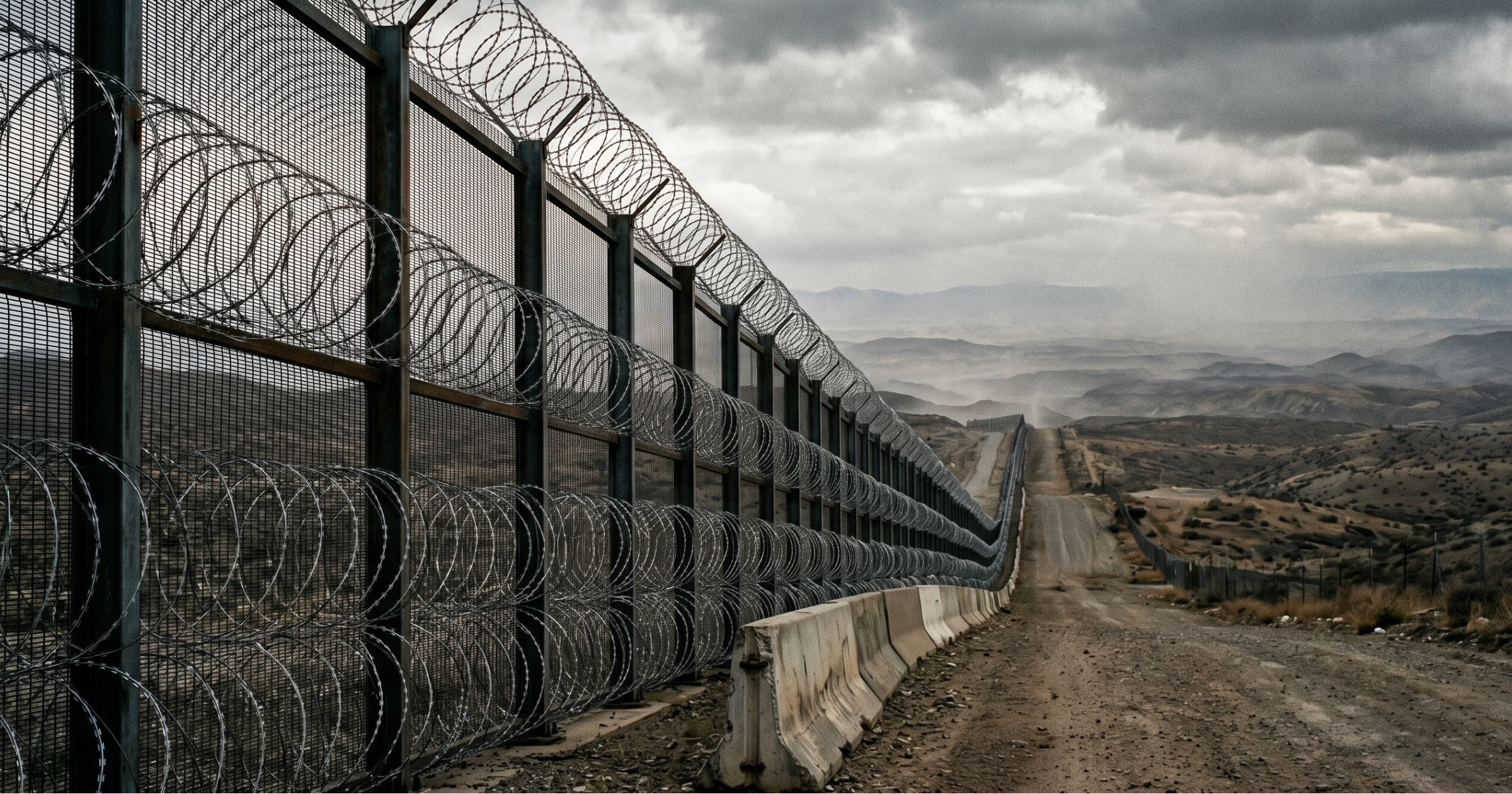
If you want to see a place where the machine has completely swallowed the soul, look at the global landscape of border crossings, international aid bureaucracy, and geopolitical red tape. It is an ecosystem built entirely on numbers, data points, and case files. It is a system that actively demands human beings strip themselves of their sovereignty, perform their trauma, and wait indefinitely as cold metrics on a screen just to stay alive.
When you step into that kind of high-stakes environment, the machine immediately begins to whisper its seductive traps to you:
Move faster.
Extract their story.
Use their rawest pain to drive clicks and secure funding.
Optimize the optics so the organization looks good.
But this is exactly where our compass holds us steady. This is where we remember that we do not build systems that forget the human being at the center.
Putting this family first means we refuse to treat their survival as our marketing material. It means we protect their privacy with a fierce, uncompromising loyalty. We do not extract their heartbreak for a Substack headline, and we do not turn their lives into a data point to prove our own effectiveness.
When the bureaucracy around them demands that they beg or perform gratitude, we stand as a shield between them and the machine. We ensure that every piece of support, every resource, and every step forward is handled in a way that preserves their absolute dignity and honors their personal agency. If a moment arrives where moving quicker or looking better forces us to compromise their peace or their safety, we don’t think twice. We slow down. We choose them.
Because the way we treat people is the mission. You cannot build a free, beautiful destination by walking down a compromised, bureaucratic path. If the family at the center loses their dignity along the way, then everything we are trying to build has already been lost.
Turning the Mirror
The Creep of the Machine doesn’t just happen to major international non-profits, massive humanitarian projects, or complex global bureaucracies. It is a quiet, daily temptation that waits for all of us, right in the ordinary corners of our lives.
It happens the moment we prioritize a rigid schedule over a hurting friend because the calendar is “too full.” It happens when we treat our coworkers or employees like output-producing units rather than human beings carrying heavy, invisible burdens. It happens whenever we choose the sterile safety of control over the messy vulnerability of real human connection.
The machine is always offering us a trade: efficiency for empathy, structure for soul.

So as we close this first pillar, we want to slide this compass across the table to you and leave you with one sharp, quiet question to carry into your own week:
Where in your life, your project, your business, or your leadership have you started focusing more on protecting the system than protecting the soul of the person standing right in front of you?
If you feel comfortable, let’s talk about it in the comments below. Let us know where you are drawing your own lines in the sand, or where you’ve caught the machine creeping into your own world.
We are building this pathway together, one human being at a time.
Thank you for being here, for staying awake to what matters, and for walking this path with us.
With deep gratitude and solidarity,
The Ethical Pathway Foundation
